We hope you are enjoying the Father to Son Extra Question Answer. Go through and add highest value to your studies.
Extra Questions, Notes, Assignment and study material for Class 11th as Per CBSE Syllabus
Poem- 5 English Language and Literature
Father to Son Extra Question Answer
By- Elizabeth Jennings
Introduction of the lesson- Father to Son
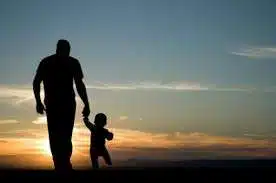
This poem has an autobiographical tone, an exclusive experience of the poet in relation to his own son. It is a little family drama. The father and his son have been living together in the same house for years. Instead of coming closer, they are drifting apart. There is a gap in understanding and communication. They don’t see eye to eye on any issue. Such a situation is a common feature in most of the families. The dominating father finds his son defiant. The new generation wants to live life on its own terms. The youngsters think independently. They cease to be on talking terms. The father feels helpless. He is ready to forgive the child provided the latter feels sorry. But he rarely tries to understand the young boy’s likes and dislikes, demands and dreams. The conflict is never resolved because they refuse to compromise.
Short and Simple Summary of the lesson in English- Father to Son/ Summary in simple Words/ Critical appreciation of the lesson – Father to Son
The father and the son have been living together in the same house for several years. Yet there is no communication between them. They live like strangers. The father knows almost nothing about the son’s grievances and demands. He is unhappy yet eager to mend fences. He wants to analyse the situation and discover the reasons why their relationship has turned sour. The boy was quite nice when he was small.
The father fails to understand where he made the mistake in the upbringing of his child. Possibly he sowed the sickly seed on land which belonged to somebody else. The child bears resemblance with him but he thinks very differently from him. There is some gap in communication and understanding. He has perhaps failed to see the child’s point of view, his dreams and aspirations, his likes and dislikes.
The two are not even on talking terms. This is an unbearable situation. He is ready to ignore the boy’s wasteful habits when he comes back to his father’s house. He is pained to note that the grown-up son is planning to live separately in a world of his own creation. He plans to give his son all his love and stop grumbling. His top-most priority is to break the silence that has encircled them.
The son also talks sensibly. He also feels that the father and the son ought to live in the Same place and in the same house. But his obstinacy hurts and irritates the father. His sorrow turns into anger also because he feels defeated. Yet, he is ready for a compromise. In fact, both have the same desire to come together. They are only waiting for an excuse to forget the past and forgive each other.
Summary in Hindi/ Father to Son
पिता और बेटा एक ही घर में कई वर्षों से साथ रहते रहे हैं I फिर भी इन दोनों के बीच संवादहीनता है I वे अजनबियों की तरह रह रहे हैं I पिता को अपने बेटे की शिकायतों और माँगों के बारे में कोई जानकारी नहीं हैं I वे
दुखी हैं फिर भी वे पता लगाना चाहते हैं कि उनके संबंधों में इतनी खटास कैसे पैदा हो गई I जब छोटा था तो बच्चा बहुत अच्छा था I
पिता समझ नहीं पाते कि गलती उनसे बच्चे के पालन-पोषण में कब और कहाँ हुई I हो सकता है उन्होंने बीजारोपण ही गलत किया I ऐसी भूमि में किया जो उनकी अपनी नहीं थी वरन पराई थी I बच्चा शारीरिक रूप से में उन्ही का नाक-नक्श लिए है पर उसकी सोच उनसे भिन्न है I उनके बीच संवाद तथा एक दूसरे को समझने में फासला बना रह गया I पिता बच्चे के दृष्टिकोण को समझ नहीं पाए I उसके सपनों तथा उसकी आकांक्षाओं को, उसकी पसंद-नापसंद को जानने में असफल रहे I
दोनों- पिता और पुत्र के बीच अब बोलचाल भी बंद सी है यह स्थिति असहनीय है I वे तो बेटे की फिजूलखर्ची की आदतों को अनदेखा करने को तैयार हैं जब वह पिता के घर लौट आएगा I उन्हें यह देखकर पीड़ा होती है कि बेटा अब उनसे अलग अपनी नई दुनिया में रहना चाहता है I पिता बेटे से अपनी शिकायत खत्म करके उसे पूरा प्यार देने को आतुर हैं I उनकी प्राथमिकता है कि उस सन्नाटे को तोड़ दें जो उन दोनों को घेरे हुए हैं I
बेटा समझदारी की बात भी करता है I वह भी महसूस करता है कि पिता-पुत्र को एक ही धरातल पर एक ही घर में रहना चाहिए I पर बेटे का हक उन्हें दुखी कर देता है और उन्हें नाराज भी कर देता है क्योंकि उन्हें अपनी पराजय का एहसास होने लगता है I फिर भी वे समझौते के लिए तैयार हैं I दोनों ही किसी बहाने की प्रतीक्षा कर रहे हैं कि अतीत को भूलकर एक दूसरे को क्षमा कर दें I
Following is the complete question bank for Father to Son
Stanzas for Comprehension
(1)
Read the stanza carefully and answer the questions that follow :
I do not understand this child
Though we have lived together now
In the same house for years. I know
Nothing of him, so try to build
Up a relationship from how
He was when small.
Word-Notes
I do not understand the child—the father is unhappy and confused. He confesses frankly that his son has become defiant, and he can’t see any reason for it; so try to build up—the father decides to analyse the reason for the stand-off between him and his son. He is eager to normalise his relationship and make peace with him. The son wasn’t so as a child.
मैं अपने बच्चे की मनोस्थिति समझ नहीं पा रहा हूँ यद्यपि हम दोनों साथ-साथ इसी घर में वर्षों से रह रहे हैं I पर मैं उसके रुझान के बारे में कुछ नहीं जानता I इसलिए मैं अब उस पुराने संबंध को पुनः बनाना चाहता हूँ; मैं उसी स्थिति में पहुँचना चाहता हूँ जैसाकि वह अपनी बाल्यावस्था में था I
Questions
(i) What does the poet bemoan in the above stanza?
(ii) How does the poet plan to renew the old ties with his defiant son?
(iii) Do you think the poet’s problem is exclusively personal or is it universal? Explain.
Ans.
(i) The poet is deeply pained to note the widening gap between him and his grown-up son. They now live like strangers under the same roof.
(ii) The poet is keen to repair his relationship with his son. He wants to make an effort by remembering how sweet the son was in childhood or boyhood.
(iii) The poet’s problem or complaint is not personal or exclusive. Every father notes with shock and surprise that his grown-up son is drifting away from him. This alienation is perhaps natural and common in every society.
(2)
Yet have I killed
The seed I spent or sown it where
The land is his and none of mine?
We speak like strangers, there’s no sign
Of understanding in the air.
This child is built to my design
Yet what he loves I cannot share.
Word-Notes
Yet have I killed the seed—the father wonders where he had gone wrong. Maybe he made a mistake right from the start. He sowed the seed in soil or land not fit enough for it. The child has an identity of his own. So he refuses to accept the father’s orders; understanding—knowing each other’s point of view, dreams and aspirations. There is no doubt that the son has been fathered by him. There is some resemblance as well. But he thinks independently and differently and goes against his father’s wishes. They cannot agree on any issue.
कहीं ऐसा तो नहीं कि मैंने स्वयं ही उस बीज को रोपने से पूर्व मार दिया था अथवा उसे उस भूमि में बोया जो उसकी अपनी ही नहीं थी I हम दोनों अजनबियों की भाँति परस्पर बोलते चलते हैं हमारे बीच एक दूसरे को समझने जैसी बात नहीं है I बच्चा कद-काठी, शक्ल आदि में मेरी ही संतान है, फिर भी उसकी चाहत या माँगे ऐसी हैं जिनसे मैं सहमत नहीं हूँ I
Questions
(i) What is the poet’s fear of his broken relationship?
(ii) What is the poet’s problem?
(iii) How can the gap between father and son be narrowed or bridged?
Ans.
(i) The poet on self-analysis fears that he himself might have failed somewhere in the process of bringing up his son.
(ii) The poet’s problem is that his son is getting away from him both physically and emotionally. There is no understanding between them, no consensus on any issue.
(iii) The gap between the father and the son is commonly known as a generation gap. The grown-ups fail to compromise with their defiant children. This gap can be bridged to some extent if both keep their cool, discuss their problem and try to understand each other’s point of view.
(3)
Silence surrounds us. I would have
Him prodigal, returning to
His father’s house, the home he knew,
Rather than see him make and move
His world. I would forgive him too,
Shaping from sorrow a new love.
Word-Notes
silence surrounds us–there is no communication between the father and his son. They rarely talk to each other; I would have him prodigal–the father won’t mind if his son becomes wasteful or spendthrift provided he returns home and lives as he did in the past years; rather than … world-what is unacceptable and irritating to the father is that his son should live in a world created by him independently. The father is willing to forgive the child if the latter feels really sorry for his actions. He would overcome all his sorrow and love the wayward son again.
हम दोनों के बीच में मौन पसर गया है I मेरी तो इच्छा है कि मेरा बेटा चाहे जितना फिजूलखर्ची करें, कम से कम अपने पुराने घर में लौट आए I मैं नहीं चाहता कि वह अपना नया आशियाना बनाकर अपनी नई दुनिया में जाकर बस जाए I मैं उसे क्षमा करने को भी तैयार हूँ I मैं अपने दुख से उबरकर उसे नया प्यार दे दूँगा I
Questions
(i) What is the poet’s painful realisation?
(ii) What does he long for?
(iii) What compromise is the poet ready to make with his son?
Ans.
(i) The poet is very unhappy because he has no more interaction with his own son.
(ii) He longs for a compromise on the basis of ‘forget the past and start with a clean slate’. He wants to revive the old ties.
(iii) The poet disapproves of his son shifting to a new house. He is ready to forgive his erring son if he returns to his father’s house.
(4)
Father and son, we both must live
On the same globe and the same land,
He speaks: I cannot understand
Myself, why anger grows from grief.
We each put out an empty hand,
Longing for something to forgive.
Word-Notes
must live—ought to stay together; globe—world; anger grows from grief—the son’s indifference saddens the father but he is irritated at the same time; empty hand—both are anxious to make up somehow, to bridge the gap. Both are extending or spreading out an empty hand for compromise. They stand apart yet are ready to strike a deal. Both feel sorry for their past behaviour and are ready to forgive each other.
पिता और पुत्र—इन दोनों को एक ही संसार में एक ही भूमि पर रहना चाहिए I ऐसा वह कहता है I पर मुझे समझ में नहीं आता कि मेरा क्रोध मेरे दुख से पैदा हो जाता है I हम दोनों ही समझौते के लिए तैयार हैं I हम दोनों अपना एक-एक खाली हाथ आगे बढ़ाए हुए हैं, और इच्छा कर रहे हैं कि क्षमा करने के लिए कोई तो बहाना मिल जाए I
Questions
(i) How does the poet feel when his relationship with his son comes under strain?
(ii) What could be the cause of their distancing from each other?
(iii) What is the ideal situation in a family?
Ans.
(i) The poet is sad and somewhat irritated at the strained relationship with his son. He wants the son to return to his old house.
(ii) The cause of the growing gap between the father and his son is lack of understanding. Both need each other, yet they grow apart because of their ego-problem.
(iii) The ideal situation is a sort of joint family. The father should understand the aspirations and dreams of his young son. The son should not forget the emotional needs of his father.
Short Answer Type Questions (30 to 40 words) –of the lesson- Father to Son
1. What is the father’s complaint against his son?
Ans. The father complains that he is losing touch with his own son. Their relationship is under strain. They live like strangers in the same house. The son wants to live life on his own terms and free himself from parental domination.
2. What does the father long for?
Ans. The father is much tenser and upset than his son. He fails to see where he made a mistake. He wants to make peace with his son and keep him in the same house. He is willing to forget and forgive the boy. He is only waiting for an excuse.
3. Can you suggest a solution to the widening gap between father and son? Elucidate.
Ans. The tussle between parents and youth is very old and universal. The parents see the young ones as their property and try to impose their will on them. The son revolts; the solution is a little understanding between them. The father must try to understand and respect the demands of the son. The language of love and a little understanding can bridge the gap and avert the clash.
4. Who do you sympathise or side with—the father or the son?
Ans. Being a youngster, I also often revolt against the authoritarian attitude of elders. They have an ego problem. They demand total obedience from young ones. I know that the relationship between father and son is strong yet delicate. I would humbly advise grown-ups to be a bit more flexible and liberal in their attitude. There is no question of siding with anybody. A middle path must be taken to re-establish cordial relations.
Important Long/ Detailed Answer Type Questions- to be answered in about 100 -150 words each Value based questions-
1. The lesson reflects the realities of modern times. The aged persons face problems and there is no end to it. How do you feel about it?
Ans. The breaking-up of the joint family system and the change in our value system have created serious problems for the aged persons. They are denied physical, moral, financial and emotional support because their children are involved in their own affairs. A feeling that they are unwanted persons has gripped the aged. The attitude towards the aged is marked by hatred, disregard, apathy and insults. This drowns them in the fathomless chasm of depression. Above all, those elderly persons who have no source of income are the worst sufferers. Growing materialism is the main culprit. Blood is no longer thicker than water. An elderly person who stands between the heirs and his wealth becomes a thorn in their flesh. Many start torturing the aged to death.
The aged persons require nothing but love, affection and respect. So the children must change their attitude. They must not neglect the very source of their existence.