This content has been written by experts, who cater to the exam scores. Go through Ranga’s Marriage Class 11 Extra Questions and Answers to increase your success in studies.
Ranga’s Marriage Class 11 Extra Questions and Answers
By- Maasthi Venkatesa Iyengar
Introduction of the lesson- Ranga’s Marriage
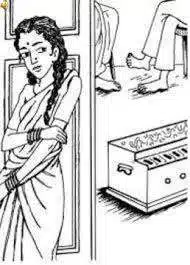
Ranga’s Marriage is an interesting story of how a person manipulates to get a young boy married to an eleven-year-old girl in a village. The story dates back to the early days of British rule when English was not used in a big way. Rangappa, the son of a village accountant, is sent to Bangalore to study. His homecoming after six months makes a big event. The curious villagers gather outside Ranga’s house to see how much the boy had changed. And they are sadly disappointed. The narrator discusses the issue of marriage with Ranga. He is piqued to hear his ideas about marriage. He resolves to get the boy married to a very young and immature 11-year-old girl Ratna. He seeks the support of Shastri’s astrology to bring Ratna round. And Ranga forgets his idealism and settles down happily.
The story depicts the life in Indian villages in the past when child marriage was a common practice.
Important Word-Meanings of difficult words from the lesson- (Ranga’s Marriage)
Pages 16-17
rare breed–uncommon type, विरले किस्म के; folk–people,लोग; pursue–carry on, go ahead with,आगे बढ़ने हेतु; mill–gather, make a crowd,भीड़ लगा लेते हैं; mouth filling–big and high sounding,भारी भरकम; wedding–marriage,विवाह; hence–therefore,अतएव; fancy–attractive,आकर्षण; mention–reference,जिक्र; probably–perhaps,शायद; cartographer–one who draws maps of a territory,नक्शा नवीस ; shadow–trace,चिह्न; karigadabu–a South Indian fried sweet,दक्षिण भारत की एक मिठाई; absolutely–completely,पूर्णरूप से ; object–oppose,प्रतिवाद करना,विरोध करना; stuck to–clung to,अड़े रहना; glowingly–in a praising manner,प्रशंसात्मक तरीके से ; annayya–a respectful term for an elder, आदर सूचक शब्द; flea–pestered– troubled by flea or insects,पिस्सू द्वारा परेशान; raw–unripe,कच्चा,हरा; sourness–the tangy taste, खट्टापन; creeper–trailing plant,लता,बेल; behold–see,देखना; feast–lovely, pleasant,सुखद; rambling–going off the point,भटकनाl
Pages 18-19
disgraceful– humiliating, shameful,शर्मनाक; change–loose small coins,सिक्के,रेजगारी; muttering–mumbling not speaking clearly,बुड़-बुड़ करती; priceless commodity–useful thing,बहुमूल्य वस्तु; decade–a period of ten years,दशक; immature–not mature, childish,बचकाना; janewalrua– the sacred thread worn by the Brahmans,जनेऊ; melted away–dispersed,तितर-बितर हो गया; lump– a shapeless mass,ढेला; blessing–good wishes,आशीर्वाद; aspect–side, part, पहलू ; assessed–estimated, judged,परखा हुआ था; stiff–inflexible, hard and upright,सख्त; pleasantries–light conversation,हल्की फुल्की बातें ; considerate–thoughtful, विचारशील; generous–charitable,उदार मना; recently–sometime back,पिछले दिनों ; troupe–party or company of performers,मण्डली ; mature–intelligent, fully developed, परिपक्व बुद्धि वाला ; stains–spots,धब्बे ; bitter gourd–a vegetable,करेला; distressed–pained,दुखी; chatting–talking,बतियाना made up my mind–determined,निश्चय कर लिया I
Pages 20-21
frequent–almost regular,अक्सर; fetch–bring, take,ले जाए; threshold–doorstep,दहलीज़; curious–eager, उत्सुक; peeped in–looked in secretly,झाँक ा; blocked–covered, stopped,बंद हो गया; abruptly–suddenly, all at once,बंद हो गया, savouring–tasting,स्वाद लेना; peel–outer skin,छिलका; disappointment–loss of hope,निराशा,उदासी ; glanced–looked,देखा ; embarrassed–ashamed, upset,शर्मिन्दा ; overcome by shyness–feeling very shy,लाज से दबी ; shelter–refuge,शरण,आश्रय ; vowed–took a pledge, swore,शपथ लेना; fled–ran away, escaped,भाग गया; betray–show,दिखाई देना; shrivelled–contracted,सिकुड़ गया; roasted–baked on tire, भुना हुआ ; brinjal–a vegetable,बैंगन; tutored –instructed, taught,सिखा दिया l
Pages 22-23
usual–normal, as on other occasions,सामान्य; process–activity,प्रक्रिया; protest–objection,विरोध ,प्रतिवाद ; rarely–not often or frequent,बहुत कम; paraphernalia–books, etc., पोथी पत्र ; astrology–the science of foretelling, ज्योतिष विधा ; ancient–very old, अति प्राचीन; indicated–showed, told through movement of head,संकेत दिया ; moss–small green plants,काई ; pearl–a precious round cream-coloured stone,रत्न; negotiations–talks about marriage,विवाह वार्ता ; bear fruit–prove successful,सफल होना ; face had fallen–looked sad, उदास हो गय ा; marvellous–wonderful, grand, भव्य; tiny–very small,छोटा I
Short and Simple Summary of the lesson in English– (Ranga’s Marriage)/ Summary in simple Words/ Critical appreciation of the lesson – (Ranga’s Marriage)
The narrator is called Shyama. He himself admits that he is like a dark piece of oilcake. He lives in Hosahalli village. He is sad to see that his village finds no mention in any geography book, nor a place in any atlas. But in his opinion, the village has several unique features. There are mango trees and creeping plants in the village pond. The best way to know the village is to visit it.
Shyama proceeds to tell a story that happened ten years ago. In those days, not many people knew English. So when the village accountant sent his son Ranga to Bangalore to study, it became news. Naturally, his homecoming after six months was also a great event. The news spread like wildfire. The villagers flocked to the boy’s house to see him. Shyama was also a part of the crowd. But everyone was disappointed. They noticed no change in Ranga. An old lady even ran her hand over Ranga’s chest. She was happy to note that the boy had not thrown away the sacred thread.
The crowd melted away soon. Shyama then spoke to Ranga who did a namaskara most respectfully and even touched the narrator’s feet. He got the blessing to get married soon.

That afternoon, Ranga came to Shyama’s house with a couple of oranges. Shyama thought that such a generous fellow must get married, settle down and be of service to the society. He asked Rangappa when he planned to marry. But Ranga declared point blank that he was not going to marry unless he found the right girl. He had his own rigid views about marriage. It was silly to marry a very young and immature girl. Secondly, a man should marry a girl he admires. He was against the arranged marriage. Shyama was a little put out. Nevertheless, he made up his mind right then to find a match for Ranga.
And he didn’t have to wait and seek. Rama Rao’s niece, a pretty girl of eleven, had come to stay in the village. She was from a big town. She could play upon the harmonium and sing in a sweet voice. Her parents had died. The narrator thought that the girl was the most suitable bride for Ranga. She was called Ratna.
The very next morning the narrator called Ratna as well as Ranga to his house. Ratna was wearing a saree. While she was singing, Ranga also arrived. He stood at the door and looked in. Ratna saw a stranger and stopped suddenly. Ranga was disappointed. He glanced at her repeatedly. The shy girl ran inside. Ranga then enquired about her and asked whether she was married or not. Shyama told a lie that Ratna was married a year ago. Ranga’s face contracted like roasted brinjal.
Shyama went to Shastriji next morning and tutored him what he was to say to Ranga. That very afternoon Shyama met Ranga who seemed lost in thought. But both went to see Shastriji who was happy to see the boy. As fixed up already, he took out his astrology books and made some calculations. Then he declared that Ranga was thinking about some girl. She had the name of something found in the ocean. They agreed on Ratna as the right girl for the boy. But Ranga’s happiness was short-lived. Shyama repeated that Ratna was already married.
They left the place together. On the way, Shyama walked into Ratna’s house. He brought happy news for Ranga that the girl wasn’t married yet. And the two were united in marriage before long.
Several years passed. One day, Ranga came to Shyama’s house to invite him to dinner. The occasion was the birthday of his three-year-old son. They had named the child Shyama as a mark of respect to the person who had negotiated their marriage. Shyama went to Ranga’s house for dinner. As a birthday gift, he placed a gold ring on the child’s little finger.
Summary in Hindi/ Ranga’s Marriage
लेखक का नाम है श्यामा I वह स्वयं स्वीकारता है कि वह खली के काले पड़े ढेले की भाँति है I वह होसाहल्ली गाँव में रहता है I उसे इस बात का खेद है कि उसके गाँव का वर्णन किसी भी भूगोल की पुस्तक में नहीं है न ही उसे एटलस में कहीं दिखाया गया है I पर उसकी राय में उसका गाँव कई दृष्टि से अनूठा है I वहाँ आम के वृक्ष हैं तथा गाँव की ताल में एक बेल है I उस गाँव के बारे में जानकारी पाने का सर्वोत्तम तरीका है कि वहाँ जाकर देखा जाए I
श्यामा अब वह कहानी सुनाता है जो दस वर्ष पूर्व घटी थी I उन दिनों अंग्रेजी जानने वाले लोगों की संख्या बहुत कम थी I इसलिए जब गाँव के लेखाकार ने अपने बेटे रंगप्पा को बैंगलोर पढ़ने के लिए भेजा तो वह एक समाचार बन गया I स्वभाविक रूप से उसके छह माह पश्चात घर लौटना भी एक बड़ी घटना बन गई I यह समाचार जंगल में आग की भाँति फैल गया I सभी गाँववासी उस लड़के के घर उसे देखने पहुँच गए I श्यामा भी उस जनसमूह में शामिल था I पर सभी लोगों को निराशा हुई I उन्हें रंगा में कोई परिवर्तन नहीं देखा I एक वृद्धा ने तो रंगा की छाती पर हाथ फेरा तथा उसे यह जानकर खुशी हुई कि बालक अभी भी जनेऊ धारण किए हुए है I
भीड़ धीरे-धीरे छट गई I श्यामा ने रंगा से बात की, रंगा ने उन्हें सादर नमस्कार किया तथा उसके चरण स्पर्श भी किए I उसे आशीर्वाद ही मिल गया कि तुम्हारा विवाह शीघ्र ही संपन्न हो जाए I
उसी शाम रंगा श्यामा के घर दो संतरे लेकर पहुँच गया I श्यामा को लगा कि ऐसे उदार हृदय व्यक्ति का विवाह शीघ्र हो जाना चाहिए I वह घर बसा ले और समाज की सेवा करे I उन्होंने रंगप्पा से पूछा कि तुमने कब विवाह करने का विचार किया है I पर रंगा ने दो टूक जवाब दिया कि जब तक उसकी पसंद की लड़की नहीं
मिलती वह विवाह नहीं करेगा I उसके विवाह के बारे में कुछ कठोर विचार थे I उसके अनुसार किसी भी छोटी आयु की अधिपक्व बुद्धि वाली लड़की से विवाह करना मूर्खता है I दूसरी बात, व्यक्ति को उसी लड़की से विवाह करना चाहिए जो उसे पसंद हो I वह माता-पिता द्वारा संयोजित विवाह नहीं करना चाहता था I श्यामा उदास से हो गए I फिर भी उन्होंने ठान लिया कि वे रंगा के लिए कोई लड़की शीघ्र ही खोज लेंगे I और उन्हें उसे खोजने के लिए प्रतीक्षा नहीं करनी पड़ी I रामाराव की भतीजी, ग्यारह वर्षीय सुन्दर लड़की, किसी बड़े नगर से गाँव में रहने आ गई थी I वह हारमोनियम बजाने तथा मधुरस्वर में गाने में निपुण थी I उसके माता-पिता स्वर्ग सिधार चुके थे I लेखक ने सोचा कि यही लड़की रंगा के लिए सर्वत्र उपयुक्त रहेगी उस लड़की का नाम था रत्ना I
अगली सुबह ही लेखक ने रत्ना को तथा रंगा को अपने घर पर बुला लिया I रत्ना साड़ी पहने थी तथा गाना गा रही थी I रंगा भी तभी आ गया I दरवाजे पर खड़े होकर उसने अन्दर झाँका I रत्ना ने किसी अजनबी को देखकर गायन छोड़ दिया I रंगा को निराशा हुई I उसने लड़की पर बार-बार दृष्टि डाली; रत्ना शरमाकर अंदर भाग गई I फिर रंगा ने उस लड़की के बारे में पूछा कि वह विवाहित है अथवा कुँवारी I श्यामा ने झूठ बोला कि रत्ना का विवाह तो एक वर्ष पूर्व ही हो चुका था I रंगा का चेहरा ऐसे सिकुड़ गया जैसे भुना हुआ बैंगन सिकुड़ जाता है I
श्यामा अगली प्रातः शास्त्री के पास गए I उन्होंने उसे सिखा-पढ़ा दिया कि रंगा से उन्हें क्या कहना है I उसी शाम श्यामा रंगा से मिले जो विचारों में खोया हुआ था I पर दोनों ही शास्त्री के घर पहुँच गए; शास्त्री रंगा को देखकर प्रसन्न हो गए I पूर्व निर्धारित कार्यक्रम के अनुसार शास्त्री ने ज्योतिष की पुस्तकें निकाली तथा कुछ गणना की I फिर उन्होंने बताया कि रंगा किसी लड़की के बारे में सोच रहा है I उस लड़की का नाम समुद्र में पाई जाने वाली किसी वस्तु के आधार पर है I सभी सहमत हो गए कि रत्ना ही रंगा के लिए उपयुक्त लड़की है पर रंगा की खुशी काफूर हो गई जब श्यामा ने दोहराया कि रत्ना का तो विवाह हो चुका है I
वे दोनों साथ-साथ वापिस चल दिए I रास्ते में श्यामा रत्ना के घर के अन्दर गए I वह रंगा के लिए एक सुखद समाचार लाए कि लड़की अभी कुँवारी है और बिना विलम्ब के रंगा का रत्ना से विवाह हो गया I
अनेक वर्ष बीत गए I एक दिन रंगा श्यामा के घर पर उन्हें भोजन का निमन्त्रण देने गया I अवसर था उसके तीन वर्षीय बेटे का जन्मदिन I उन्होंने बच्चे का नाम भी श्यामा रखा था I इस प्रकार से उन्होंने अपना विवाह कराने वाले के प्रति अपना आदर मान दिखाया I श्यामा रंगा के घर भोजन के लिए गए I जन्मदिन उपहार के रूप में उन्होंने बच्चे की छोटी अंगुली में एक सोने की अंगूठी पहना दी I
Following is the complete question bank for (Ranga’s Marriage)
Short Answer Questions – Ranga’s Marriage
1.What were the two distinctive features of the village Hosahalli?
Ans. The narrator speaks glowingly of his village. Hosahalli. He lists a number of distinctive features of the place. It has a doctor who had travelled widely. Then there are some special mango trees and a creeper growing in the village pond.
2. How does the narrator give us a vague picture of Indian villages during the British rule?
Ans. During the British rule, Indian villages were poor and undeveloped. Very few people could understand or speak English. So when Ranga was sent to Bangalore to study, it was a great event. Early marriage was a common practice. Ratna was married off when she was just eleven years old.
3. Why was Ranga’s homecoming a great event?
Ans. Ranga was the son of the village accountant. He was sent to Bangalore to study in an English school. People were very excited when Ranga returned home after six months. They expected a big change in the boy. So they rushed to his doorstep. His homecoming became a great event.
4. What role does the narrator play in the life of Rangappa?
Ans. Shyama, the narrator, resolves to get Ranga married. He lays a trap for Ranga. He invites both, Ratna and Ranga to his house so that they see each other. There, as the narrator had thought, Ranga becomes attracted to Ratna. Finally, the narrator manages to get them married. Thus, the narrator plays the role of a match-maker.
5. What were Ranga’s views on the selection of a bride and marriage in general?
Ans. Rangappa had no intention to marry unless he found the right girl. He wanted a mature girl and also one whom he admired. He was against arranged marriage and against marrying an adolescent girl. If he failed to find the girl of his choice, he was ready to remain a bachelor.
6. Who was Ratna?
Ans. Ratna was the eleven-year-old pretty niece of Rama Rao. She had lost her parents. Since she was from a big town, she knew how to play the veena and the harmonium. She also had a sweet voice. Shyama played a key role in her marriage with Ranga.
7. How did the narrator bring Ranga and Ratna face to face?
Ans. The narrator called Ratna to his house to take away some buttermilk. When she came he requested her to sing a song. In the meantime, he also sent for Ranga, so that he could see the girl. His plan was successful. Ranga fell for the sweet-voiced young and pretty girl.
8. What tricks did the narrator play to intensify Ranga’s interest in Ratna?
Ans. At first, Ranga was against marrying a young and immature girl. But the narrator played his cards tactfully. He brought Ranga and Ratna face to face. When he noticed that Ranga was attracted to the girl, he lied to him that Ratna had got married recently. Ranga was sad and disappointed on hearing this. Then with the help of the village astrologer, the narrator convinces Ranga that Rama was the girl for him. Even the stars predicted the same. Thus, Rana was convinced and he married Ratna.
9. Why did the narrator resolve to get Ranga married?
Ans. The narrator was pleased when Ranga greeted him respectfully and later came to meet him with a couple of oranges. He thought that such a decent boy should marry and settle down. But Ranga had his own views about an ideal life-partner. He was willing to remain single until he found the right gid. So the narrator made up his mind to get the boy married soon.
10. What role does Shastri play in bringing about Ranga and Ratna together?
Ans. The narrator sought the help of Shastri in bringing Ranga and Rama together. He tutored Shastri, the astrologer. He took Ranga to his house. Shastriji read the stars and made calculations. He finally declared that the girl in Ranga’s mind has the name of something found in the ocean. It could be Ratna as well. Ranga was convinced that even stars wanted that he should marry Ratna.
11. How did Ranga and Ratna express their gratitude to the narrator?
Ans. Several years passed since the marriage of Ranga and Ratna. They had a three-year-old son now. Ranga invited the narrator for dinner at his house on the child’s birthday. There he came to know that the child was named “Shyama” after him. That was how the Iwo youngsters expressed their gratitude to Shyama.
12. Why did the narrator tell a lie about Ratna’s marital status?
Ans. The narrator noted Ranga’s growing interest in Rama. Ranga enquired if she was married. The narrator told a lie that she was married a year ago. He said so to see Ranga’s reaction. Later on, he declared that she was not married yet. Ranga was surprised and happy, all willing to marry Ratna.
Important Long/ Detailed Answer Type Questions- to be answered in about 100 -150 words each Value based questions- Ranga’s Marriage
1. Give a brief account of Ranga’s education, his views on marriage and finally how he got married.
Ans. Ranga was the son of an accountant of Hosahalli village. He made news when he went to Bangalore to study further. In those days, not many people could speak or even understand English. So when he returned home after six months, a curious crowd of villagers gathered at his house to see the change in the boy. They were disappointed.
Ranga was unwilling to marry a very young and immature girl. He was willing to remain a bachelor until he found the right girl. He was opposed to arranged marriage. A man should marry a girl he admired—that was his clear-cut philosophy. But the narrator resolved to get Ranga married at the earliest. He so manipulated the situation that Ranga saw young Ratna got attracted to her and with the sanction of Shastri’s astrology, married her.
2. Why and how does the narrator conspire to get Ranga married?
Ans. Ranga was a young educated, generous and promising boy. But he was adamant on not marrying a very young and immature girl, selected by his parents. He was bent upon staying single until he found the right girl whom he admired. The narrator resolved to get him married. lie thought of Rama. the eleven-year-old niece of Rama Rao. She could play the harmonium and even had a sweet voice. The narrator brought Ratna and Ranga face to face at his own house. He roused the boy’s interest in the girl. He declared that the girl was already married. But it was a lie. He conspired with Shastri to further Ranga’s interest in Ratna. Ranga was made to believe that even according to the Shastras he was destined to marry Ratna.
3. Briefly narrate the main events of the story ‘Ranga’s Marriage’.
Ans. Ranga is the son of a village accountant. He becomes a hero when he goes to Bangalore for studies. When he returns to Hosahalli village, after six months, the people make a crowd at his house. They are curious to see the change in him. But they go back disappointed. Ranga’s views about marriage are now quite different after his stay in the city. He declares he would marry a mature girl whom he himself selects and admires. The narrator Shyama is provoked to get him married to the young 11-year-old niece of Rama Rao. He calls both of them to his house. Ratna comes to fetch buttermilk. Ranga hears her sing and becomes interested in her. Shyama tutors the village Shastri who declares that the girl called Ratna is the right match for him. The marriage is solemnised soon. Ranga names his firstborn son after Shyama. It is his tribute to the narrator.
Value-Based Questions and Answers of Ranga’s Marriage
1. The institution of child marriage is deep-rooted in our society. Laws are present to check it but it is still prevalent in society. It is an evil which laws alone cannot annihilate. Something more is to be done. Discuss.
Ans. Child marriage is prohibited by law in our country. Strangely enough, this social tradition is still prevalent in society. Child marriage is a social evil. Thus, this social evil needs treatment at the social level and this responsibility lies on the shoulders of the social organisations. They should carry out intensive awareness programmes against child marriage. To fight this evil, young boys and girls should willingly come forward to oppose this tradition. They should not give consent to such marriages. Child marriage snatches away childhood and its dreams. It makes a girlchild’s life a virtual hell. Motherhood at a tender age leaves her weak physically and mentally. As she is not well educated she does not know how to look after her children efficiently. The girls who become mothers at a tender age often die a premature death.
Those who try to perpetuate child marriage should be severely punished. The custodians of law, if found negligent, should be equally punished. More and more girls should be educated. Moreover, the girls must have more say when the question of their marriage crops up. Such measures can provide the only way to uproot this most heinous of the social evils.
2. To decry any language and any culture is not good. The bad thing is the unmindful aping of other cultures. Elucidate.
Ans. The widening influence of the western culture is all pervasive. Every culture has positive as well as negative points. Soaping any culture blindly is never good. English education has changed our lifestyle. It is good that it has made us broad-minded and we have rejected many age-old and outdated rites and rituals. Today, our women are no longer the slaves of men. They have their own say. But under the influence of western culture, we have ignored the good of our own culture. Junk food has replaced our healthy food. Materialism has made us forget the values of human relations. Cut-throat competition, a product of western culture has made us insensitive and brutish. Old Morals and values are forgotten. Marriage is a union of two families. So while having the right to choose one’s life partner one’s family’s role should not be ignored. We can conclude that we should try to form an amalgamation of positive points of different cultures and make this world a better place to live in.
[pt_view id=”7f88d18a92″]